Marc Besson
Maître de Conférences
2024-2026
Banyuls-sur-Mer (FR)
Exeter (UK)
Pocillopora damicornis
Stylophora pistillata
Artemia salina
Chaetodon spp.
Marin ecotoxicology
Trophic ecology
Coral physiology
Ecosystem services
Coral reefs are biodiversity hotspots that sustain essential ecological functions and provide major ecosystem services to human societies. Yet they are increasingly exposed to multiple anthropogenic pressures, including plastic pollution. Although microplastics are now detected throughout marine ecosystems, understanding their ecological risk requires more than determining whether individual organisms ingest them: particles can move through food webs, accumulate in different biological and environmental compartments, and potentially affect organisms through indirect trophic exposure.
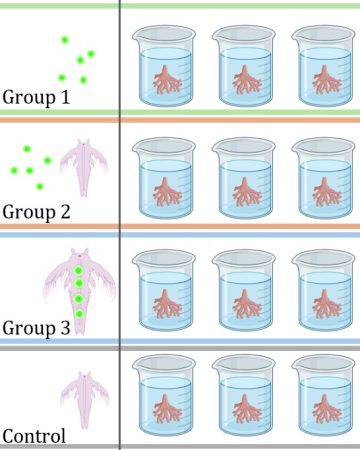
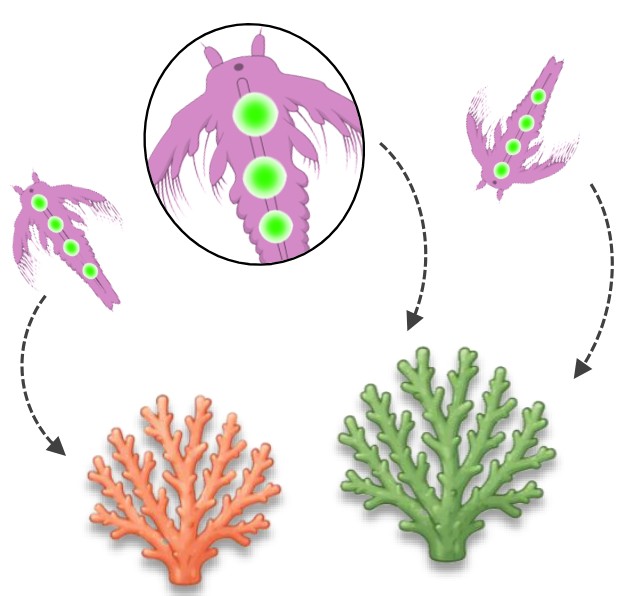
Most experimental studies on corals have examined the effects of direct exposure to microplastics suspended in seawater. In natural ecosystems, however, corals can also ingest particles indirectly through contaminated prey, while their predators may subsequently acquire particles through trophic interactions. How microplastics move across these successive trophic levels – and whether indirect exposure produces the same biological effects as direct ingestion – remains poorly understood.
RESILIENT addresses this gap through an interdisciplinary approach combining trophic ecology, coral ecophysiology, molecular biology and social sciences. The project follows microplastics through a simplified three-level coral reef food web, assesses their effects on coral health, and investigates how society perceives microplastic pollution and the ecosystem services threatened by coral reef degradation.
RESILIENT asks how microplastics move through coral reef ecosystems, what biological consequences arise from trophic exposure, and how these emerging risks are understood by society.
RESILIENT combines controlled experiments – at both the LECOB and Service Mutualisé d’Aquariologie from the Observatoire Océanologique de Banyuls-sur-Mer – with physiological, behavioural and molecular approaches to follow microplastics across a simplified reef food web. The project brings together the expertise of LECOB in coral biology and physiology and BIOM / EcoEvoDevo in tropical fish biology, ecotoxicology and experimental ecology, complemented by transcriptomic expertise at the University of Exeter.
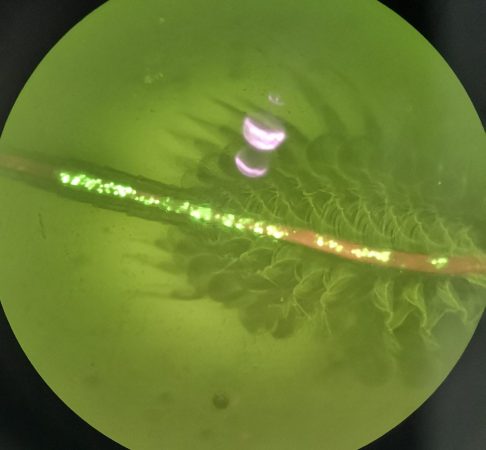
RESILIENT compares direct environmental exposure with indirect exposure through contaminated prey to determine whether the route of microplastic ingestion influences coral responses. Coral health is assessed through complementary measurements of skeletal growth, feeding performance, polyp activity and energy reserves, while transcriptomic analyses investigate the molecular responses underlying these physiological effects.