


Laurence Besseau
Maître de Conférences
2021-2022
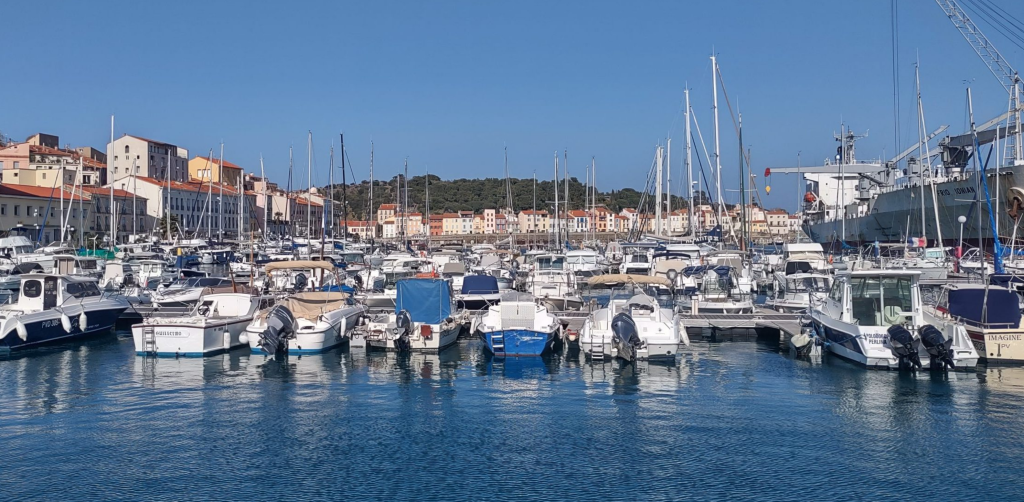
Port-Vendres (FR)
Diplodus vulgaris
Ecotoxicology
Ecophysiology
Endocrinology
Harbors are highly modified coastal environments that concentrate multiple anthropogenic pressures. Maritime activities, antifouling products, urban runoff and historical contamination can result in elevated concentrations of trace metals in harbor sediments and water. Yet harbor environments can simultaneously support large numbers of juvenile fishes and may constitute important nursery habitats for coastal species. This apparent paradox raises an important question:
Can these harbor environments function as a fish nurseries while exposing juveniles to contaminants capable of disrupting their development?
METOXFISH was developed to investigate this question in Port-Vendres harbor, using the two-banded seabream Diplodus vulgaris as a model species.
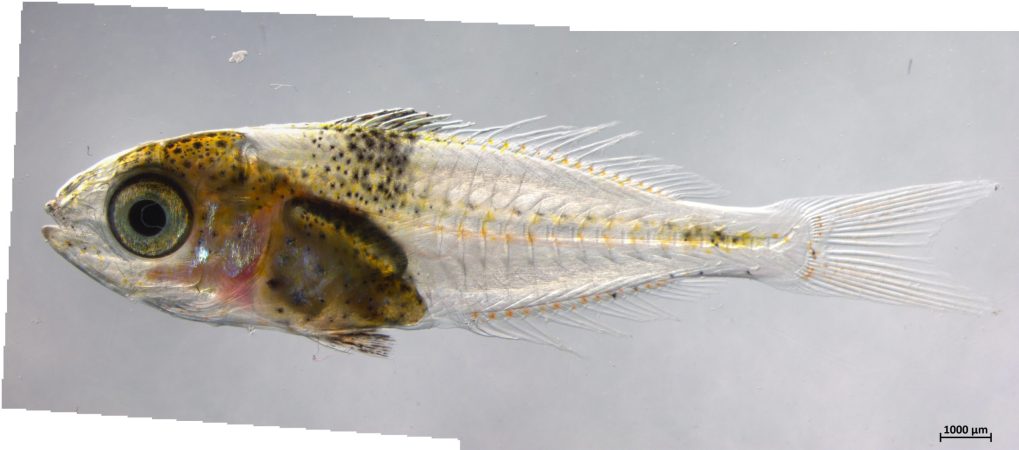
At the end of their pelagic larval phase, Diplodus vulgaris larvae recruit into shallow coastal habitats and undergo metamorphosis. This transition involves coordinated changes in morphology, pigmentation, physiology and behavior and is regulated by endocrine pathways, particularly thyroid hormone signaling. Because endocrine and developmental systems can be highly sensitive to environmental contaminants, exposure to metals during recruitment may have biological consequences even when juvenile fishes remain abundant within harbor habitats. METOXFISH therefore investigates metal contamination not simply as an environmental chemistry issue, but as a potential developmental and endocrine stressor during a critical life-history transition.
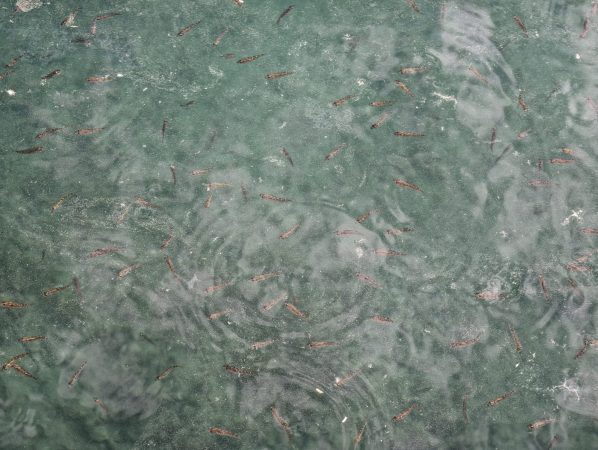
Throughout the recruitment season, newly recruited Diplodus vulgaris are sampled at regular intervals to characterise their developmental trajectory. We examine several complementary phenotypic traits, including:
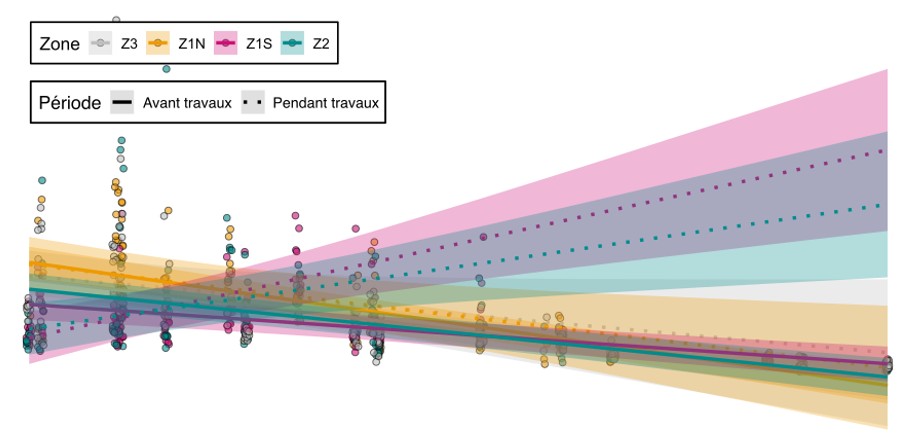
By comparing fishes sampled across contrasting harbour areas, METOXFISH investigates whether environmental contamination is associated with altered growth or developmental phenotype.

Thank you Charline and Laure! Charline and Laure have each finished their respective 6-month Master 2 Internship. We wish to…

The field sampling season has started The 2024 field sampling season has started! This year we have two main objectives…
