



Camille Sautereau
PhD student

2022-2026
Banyuls-sur-Mer (FR)
Okinawa (JP)
Bora-Bora (FP)
Amphiprion clarkii
Amphiprion frenatus
Amphiprion maohiensis
Behavioral ecology
Social organization
Social plasticity
Neuro-endocrinology
Coral-reef ecology
Anemonefishes are renowned for their highly structured social organization. In a typical colony, a breeding female, a breeding male and several juveniles live around a single host anemone, with a strict size-based hierarchy determining social status and access to reproduction. This remarkable organization has long made anemonefishes a powerful model for studying social behaviour, dominance and sexual plasticity.
Yet this social structure is not universal. In some reef environments, several host anemones form extensive carpets that can support unusually large groups of anemonefishes, sometimes comprising dozens of individuals. These megacolonies appear to represent an alternative form of social organization, in which individuals can move among several hosts and the strict hierarchy characteristic of classical colonies may become less rigid. First described across several Indo-Pacific locations, this alternative organization has received little recent attention despite its potential to reveal how social systems respond to ecological constraints.
MEGACOLONY investigates how the availability and spatial organization of host anemones can shape anemonefish social behaviour, and whether this alternative social environment is associated with changes in physiology and neuro-endocrine regulation.
MEGACOLONY aims to understand how anemonefish social organization changes when the ecological constraints imposed by their host habitat are relaxed. By comparing classical colonies and megacolonies across species and Indo-Pacific locations, the project investigates how spatial organization, invidiual size, individual behaviour, group size and social interactions shape individual behaviour. It further explores whether this alternative social environment is associated with changes in physiological and neuro-endocrine regulation, providing new insights into the plasticity of social systems in anemonefishes.
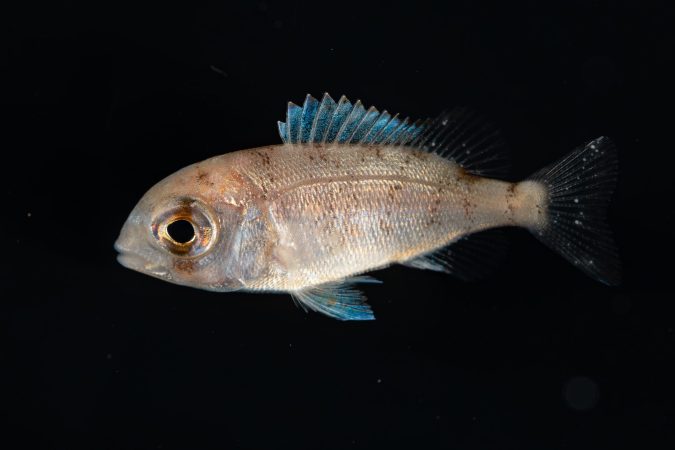
The spatial distribution and abundance of host anemones may strongly influence how individuals interact and use their environment. MEGACOLONY investigates how fish movements, territoriality and interactions change when individuals can share and move between multiple neighbouring hosts.
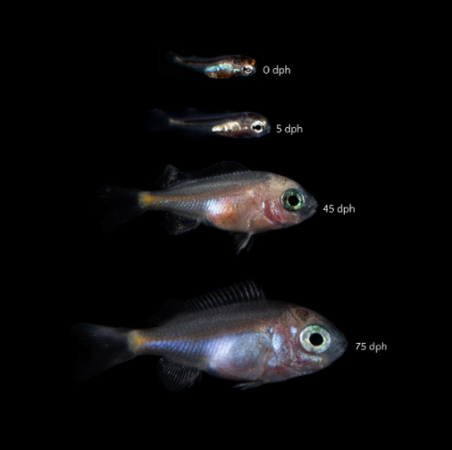
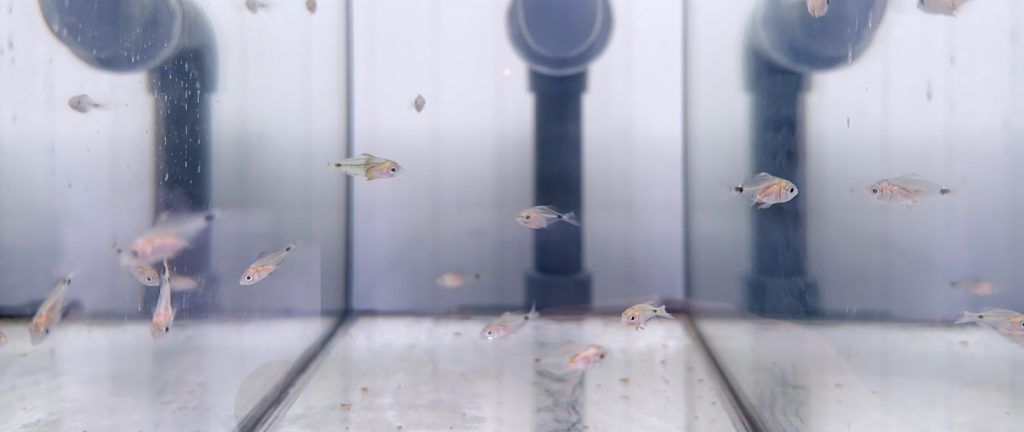
Anemonefishes have traditionally been considered a particularly rigid model of social organization, with body size, dominance and reproductive status tightly linked. Megacolonies provide a natural experiment in which these relationships can be examined under different ecological conditions.
By combining observations across species, populations and social environments, MEGACOLONY uses anemonefishes to explore a broader question in behavioural ecology: how flexible can social systems be when the ecological constraints shaping them change? Understanding this plasticity may help reveal how animals maintain social stability, coexistence and reproduction in complex and changing environments.
PhD student

Maître de Conférences
