MANINI
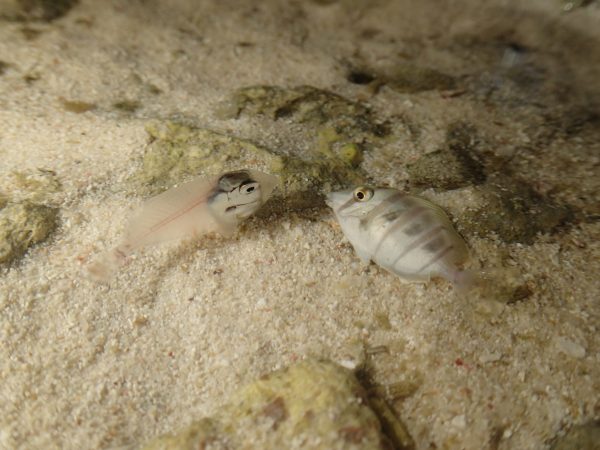
Coral reefs are critically endangered by anthropogenic stressors, e.g. pollutants, acidification and temperature rise. The decline in many fish species observed in many reefs impacted by human activities, is in part linked to a decreased larval recruitment, a process known to be critical to maintain adult fish populations. Therefore, understanding larval recruitment and how anthropogenic stressors affect this key step is essential to preserve coral reef fish populations. We recently showed that larval recruitment corresponds to a classical metamorphosis controlled by thyroid hormones (TH) and that the quality of the juveniles (e.g. grazing, predation survival) is linked to TH signalling.
In “Manini”, using two model species the surgeonfish Acanthurus triostegus (called “manini” in Polynesian) and the clownfish Amphiprion ocellaris we will ask 4 questions:
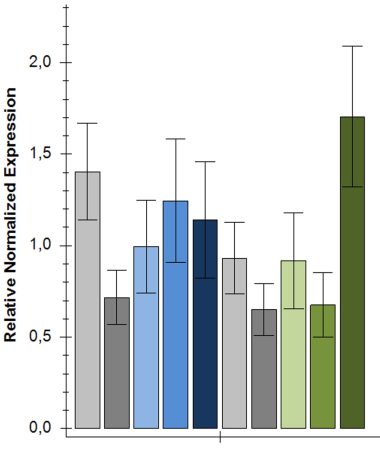
Do anthropogenic stressors affect larval recruitment and TH signalling ?
We will determine the effect of acidification, temperature rise and chlorpyrifos on the metamorphosis of the two model species.
How is sensory organs maturation affected by these stressors?
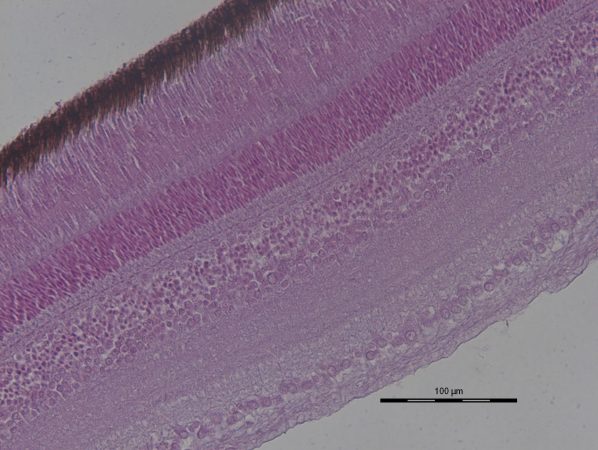
As sensory organs are known to mature during larval recruitment, we will test if anthropogenic stressors, affecting TH signalling, also affect sensory organs maturation and sensory abilities of the juveniles.
Are the effects of these stressors causally linked to TH disruption?
We will functionally determine if the impairment of larval maturation observed after anthropogenic stressors exposure is indeed caused by a decrease in TH signaling.
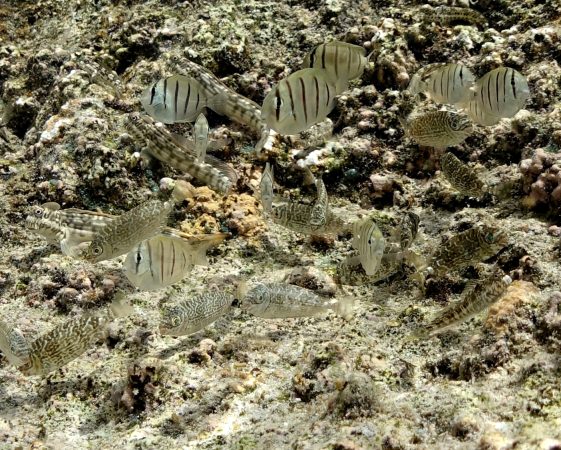
Are these effects seen in natural fish populations?
We will contrast Acanthurus triostegus juveniles captured in anthropized reefs with conspecifics captured in marine protected areas.
Our main hypothesis is that fish larval recruitment is controlled by TH and can be altered by anthropogenic stressors disrupting TH signalling. This will provide a general framework to better understand, at the molecular level, how water pollution and more generally human activities resulting in global changes, can threaten reef ecosystems. In particular, this suggests that different anthropogenic stressors can led to a common effect: the disruption of an endocrine pathway. It is well known that endocrine disruption has several major features such as nonlinear dose-response relationship, time lag between exposure and effect or transgenerational effect. Therefore, if anthropogenic stressors converge effectively to this common TH signalling, this can led to a major shift in our appreciation of the effects of climate change on natural animal populations. In addition, this basic knowledge will also be translated to conservation biology aspects. Our model suggest that the in vivo measure of TH signalling level in natural populations could provide an endpoint to characterize the degree to which a given fish population is affected by global change.